Protect Your Structure by Keeping Moisture Out
Water damage can be a serious threat to any building. It weakens structures and leads to costly repairs. One of the most effective ways to combat this issue is through masonry sealing. This process involves applying a protective coating to your building’s masonry surfaces, which prevents water penetration. By doing so, you not only extend the life of your structure but also save on repair costs in the long run.
The Importance of Sealing Masonry Surfaces
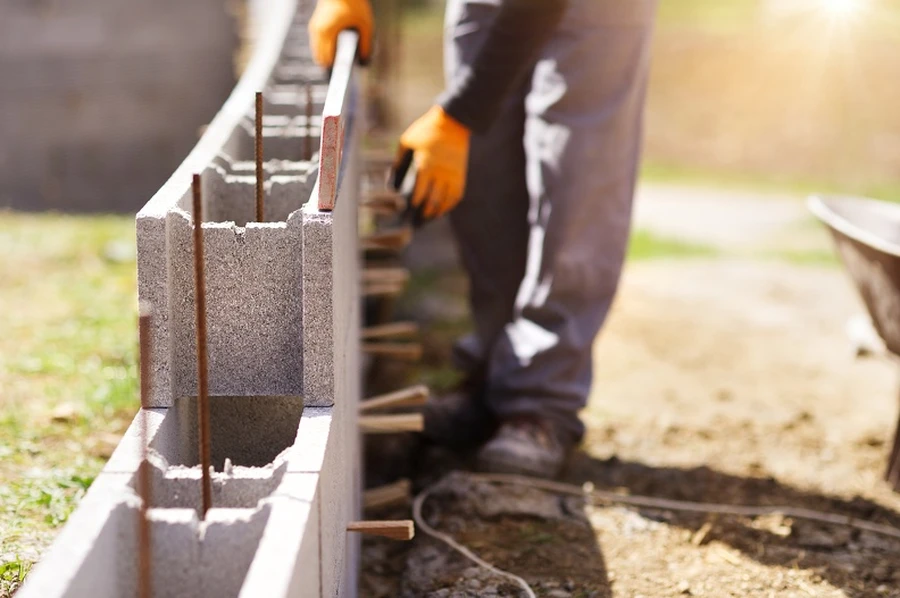
Masonry surfaces, if left untreated, are vulnerable to water infiltration. Over time, moisture seeps into the brick or stone, causing it to deteriorate. This process can lead to cracks and even structural failure. Masonry sealing acts as a shield against these elements, providing a barrier that keeps water out and maintains the integrity of the building. Without proper sealing, buildings may require frequent masonry repair due to weather-related damage.
Recognizing Signs of Water Damage
It’s crucial to identify the early signs of water damage to prevent expensive repairs. Look for discoloration on walls, mold growth, or peeling paint. These are indicators that water may be seeping through your masonry surfaces. Acting quickly can help mitigate further issues and reduce the need for extensive masonry repair later on.
Benefits of Regular Maintenance
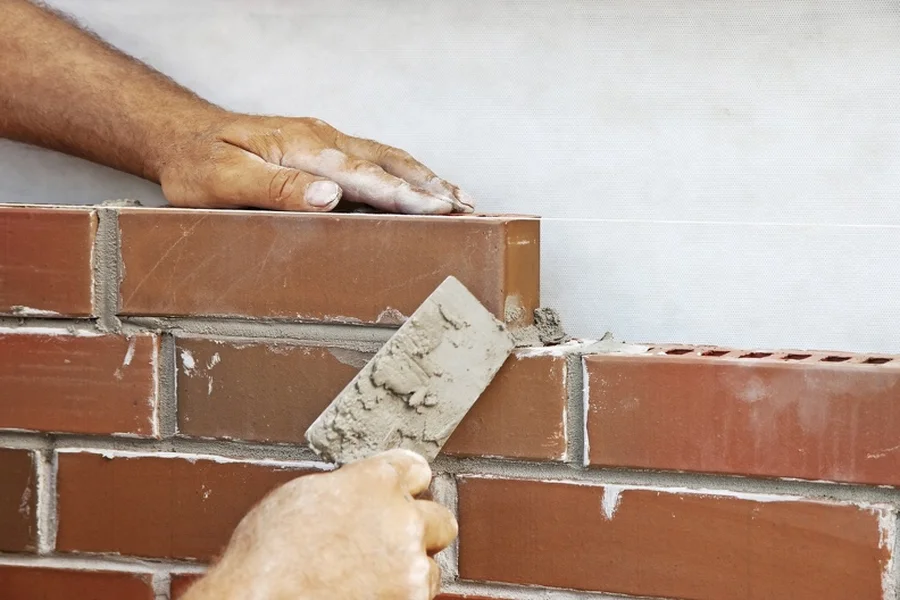
Regular maintenance ensures the longevity of your masonry surfaces. This includes periodic sealing, cleaning, and inspections. By maintaining a consistent upkeep routine, you effectively protect your investment from potential water damage. Proper maintenance reduces the likelihood of needing emergency repairs, saving both time and money.
- Inspect your masonry surfaces annually for signs of wear.
- Reapply sealant every few years as recommended by professionals.
- Ensure gutters and downspouts direct water away from your foundation.
Step-by-Step Guide to Masonry Sealing
Sealing your masonry surfaces is a straightforward process that you can either do yourself or hire professionals for more complex jobs. Here’s how you can do it:
- Clean the surface thoroughly to remove dirt and debris.
- Repair any existing cracks or damages before applying the sealant.
- Select a high-quality sealant appropriate for your specific type of masonry.
- Use a brush or sprayer to apply the sealant evenly across all surfaces.
- Allow sufficient drying time as per the product instructions.
Choosing the Right Sealant
The choice of sealant depends on various factors such as climate, masonry type, and exposure levels. For areas with heavy rainfall, select a waterproof and UV-resistant sealant. Always opt for products that offer breathability to ensure trapped moisture can escape without causing damage.
How Sealing Fits Into Industry Standards
Masonry sealing aligns with industry standards focused on preserving building integrity. Regulations often recommend regular inspection and sealing of masonry surfaces as part of standard maintenance protocols. Adhering to these guidelines helps ensure compliance with local codes and enhances the value of your property.
Understanding Cost Implications
The cost of masonry sealing can vary based on materials used and size of the area covered. While initial expenses might seem high, consider it an investment in preventing future costly repairs. The return on investment is significant when factoring in extended lifespan and reduced maintenance needs.
Taking Action With Professional Support
If you notice signs of water intrusion or simply want to protect your property proactively, reach out to experts in masonry sealing. Located in Cromwell, CT, we at Ap3 Masonry LLC provide comprehensive services to safeguard your building. Call us today at (860) 776-5488 for professional advice and solutions tailored to your needs.