Understanding Two Types of Stone Building Methods
Building with stones has a long history, dating back to ancient times. There are two main techniques used today: dry stone and mortared masonry. Each method offers unique benefits and challenges that suit different construction needs. By understanding these differences, you can make informed decisions about your projects. In this guide, we will explore both methods to help you understand which might be right for you.
What Is Dry Stone Construction?
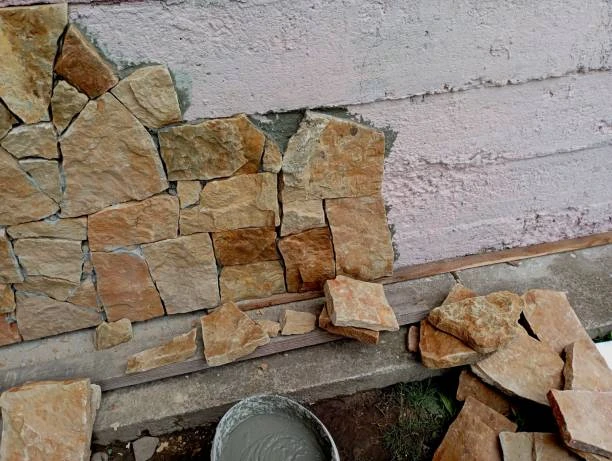
Dry stone construction involves stacking stones without any binding material. The structure relies entirely on the careful placement of each stone to ensure stability. This technique has been used for centuries and is still popular in rural areas for building walls and terraces. When done correctly, dry stone structures can last for generations as they allow water to drain naturally, reducing frost damage.
The Role of Mortar in Stone Building
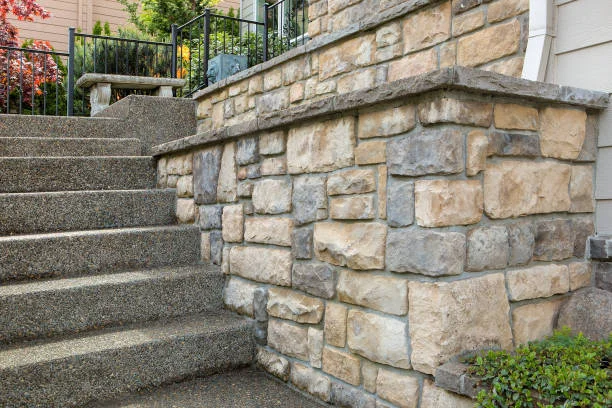
In contrast to dry stone, mortared construction uses a binding agent like cement or lime mortar between the stones. Mortared stone masonry provides additional structural stability, making it ideal for larger buildings and retaining walls. This type of masonry allows for more design flexibility since the mortar helps hold the stones in place, even if they do not fit perfectly together.
Main Benefits of Using Dry Stone Technique
Dry stone construction offers several advantages:
- Environmental Sustainability: Uses natural materials without chemicals.
- Flexibility: Structures can shift slightly without cracking.
- Drainage: Allows water to flow through, preventing buildup.
Advantages of Choosing Mortared Masonry
Mortared stone masonry provides its own set of benefits:
- Stability: Stronger against heavy loads and lateral forces.
- Design Options: Allows for more intricate designs and shapes.
- Durability: Suitable for large-scale projects requiring longevity.
Common Challenges With Dry Stone Walls
While beneficial, dry stone walls come with their own challenges:
- Skill-Intensive: Requires expertise to select and place stones correctly.
- Time-Consuming: Takes longer to build than mortared walls.
- Limited Height: Not ideal for very tall structures due to stability concerns.
Troubleshooting Issues in Mortared Constructions
Using mortar also has potential drawbacks:
- Susceptibility to Water Damage: Improper sealing can lead to moisture issues.
- Chemical Runoff: Cement may leach chemicals into surrounding soil.
- Maintenance Needs: Over time, repointing may be necessary to maintain structural integrity.
Best Practices for Successful Projects
No matter which method you choose, following best practices ensures successful outcomes. For dry stone work, prioritize selecting quality stones that fit well together. When working with mortar, ensure proper mixing and curing times to prevent cracks. It’s always advisable to consult experienced builders who specialize in these types of constructions.
Cost Factors You Should Consider
The cost varies significantly between these two methods. Dry stone tends to have a lower material cost but requires skilled labor, increasing overall expenses. Mortared constructions might involve higher costs for cement or lime but generally take less time to complete, potentially saving on labor costs. Always weigh these factors based on your project’s scale and budget.
Your Next Steps for A Durable Build
If you’re considering starting a project involving these techniques, think carefully about your specific needs and constraints. Whether you’re leaning towards the classic look of dry stone or the sturdy reliability of mortar, Ap3 Masonry LLC is here to help. Contact us at (860) 776-5488 to discuss how our services can benefit you. Based in Cromwell, CT, we offer expert advice tailored to your unique requirements.