Understanding the Importance of Mortar Joints in Structures
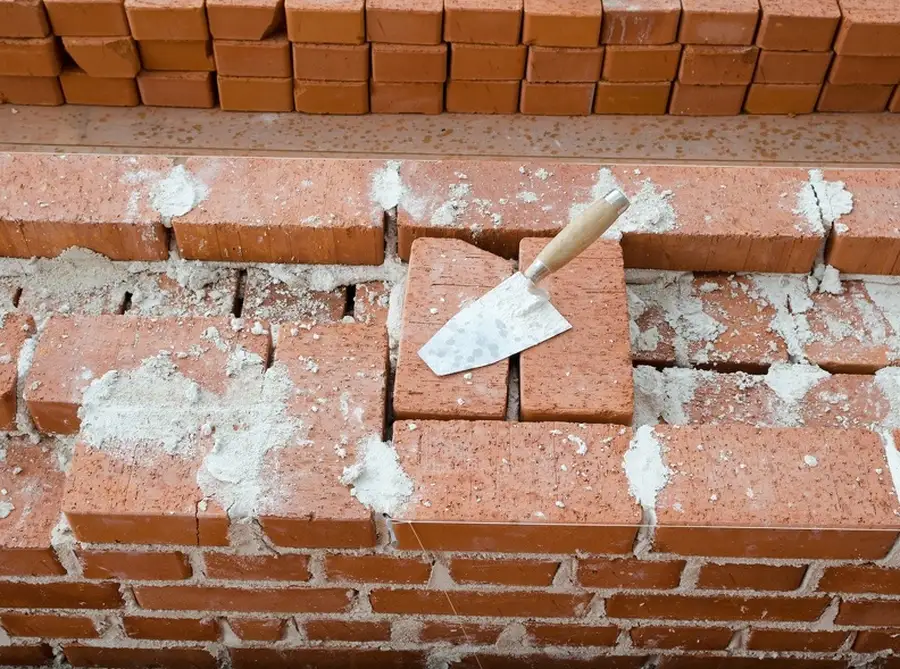
Mortar joints play a critical role in the longevity and strength of masonry structures. They bind bricks, stones, or blocks together, providing stability and protection against environmental elements. These joints are essential for distributing loads evenly across the structure, preventing cracks and damage. By understanding their significance, you can ensure that any building project stands the test of time, offering both safety and durability.
The Benefits of Properly Maintained Mortar Joints
Maintaining mortar joints correctly offers several advantages. First, it enhances structural integrity by ensuring all components remain securely bonded. It also improves resistance to weather conditions such as rain, wind, and temperature fluctuations. A well-maintained joint reduces the need for costly masonry repair, conserving resources and extending the life of the structure. Lastly, it contributes to energy efficiency by minimizing air leaks through gaps or weakened spots in the masonry.
Common Challenges With Mortar Joints
Masonry structures face several challenges related to mortar joints. Over time, these joints can deteriorate due to weather exposure and settling of the building. Another issue is using improper materials during construction, leading to weak bonds between elements. If left unchecked, these problems may necessitate extensive masonry repair. Crumbling or cracked mortar can allow moisture infiltration, resulting in further degradation of the structure.
Effective Solutions for Mortar Joint Issues
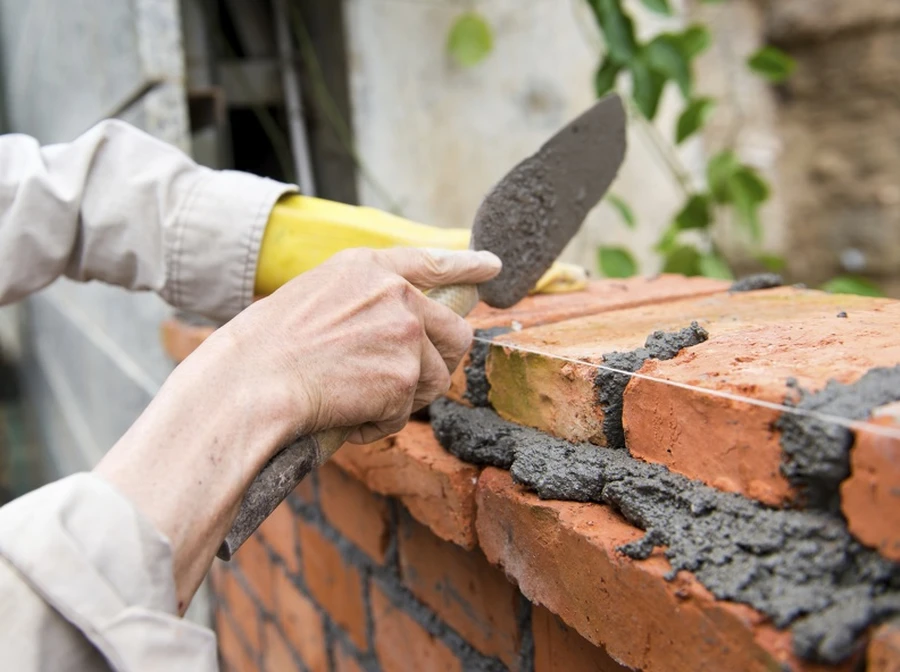
Addressing problems with mortar joints requires strategic solutions. The first step is regular inspection, allowing early detection of potential issues. When deterioration is identified, consider repointing-removing damaged mortar and replacing it with new material. Employing skilled professionals ensures that repairs align with industry standards for quality and durability. This proactive approach minimizes long-term damage and extends the lifespan of your structure.
Best Practices for Maintaining Mortar Joints
- Schedule routine inspections to catch problems early
- Choose high-quality materials designed for durability
- Ensure proper mixing and application techniques during installation
- Seek professional help when necessary for complex repairs
Industry Standards for Mortar Joints
Mortar joints should meet specific industry standards to ensure they perform optimally. One important standard is the correct mix ratio, which affects the bond strength and resilience of the joint. Compliance with local building codes and guidelines ensures that materials used are suitable for specific climate conditions. Regular updates on industry innovations can provide insights into improved methods for preserving mortar joint integrity.
Cost Considerations With Mortar Joint Maintenance
The cost of maintaining mortar joints can vary based on factors like material choice and labor rates. While initial costs might seem high, investing in quality work prevents expensive repairs down the line. Consider this expenditure as an investment in the property’s longevity and value retention. Engaging experts who offer transparent pricing helps manage budgets effectively while ensuring top-notch service.
Contact Us for Expert Masonry Services
If you’re looking for reliable services to maintain your masonry structures, contact us at (860) 776-5488. Our team in Cromwell, CT provides comprehensive solutions tailored to your needs. At Ap3 Masonry LLC, we prioritize quality and customer satisfaction, ensuring your buildings remain strong for years to come.